Good vs. Bad Photographers Through a Retoucher’s Lens?
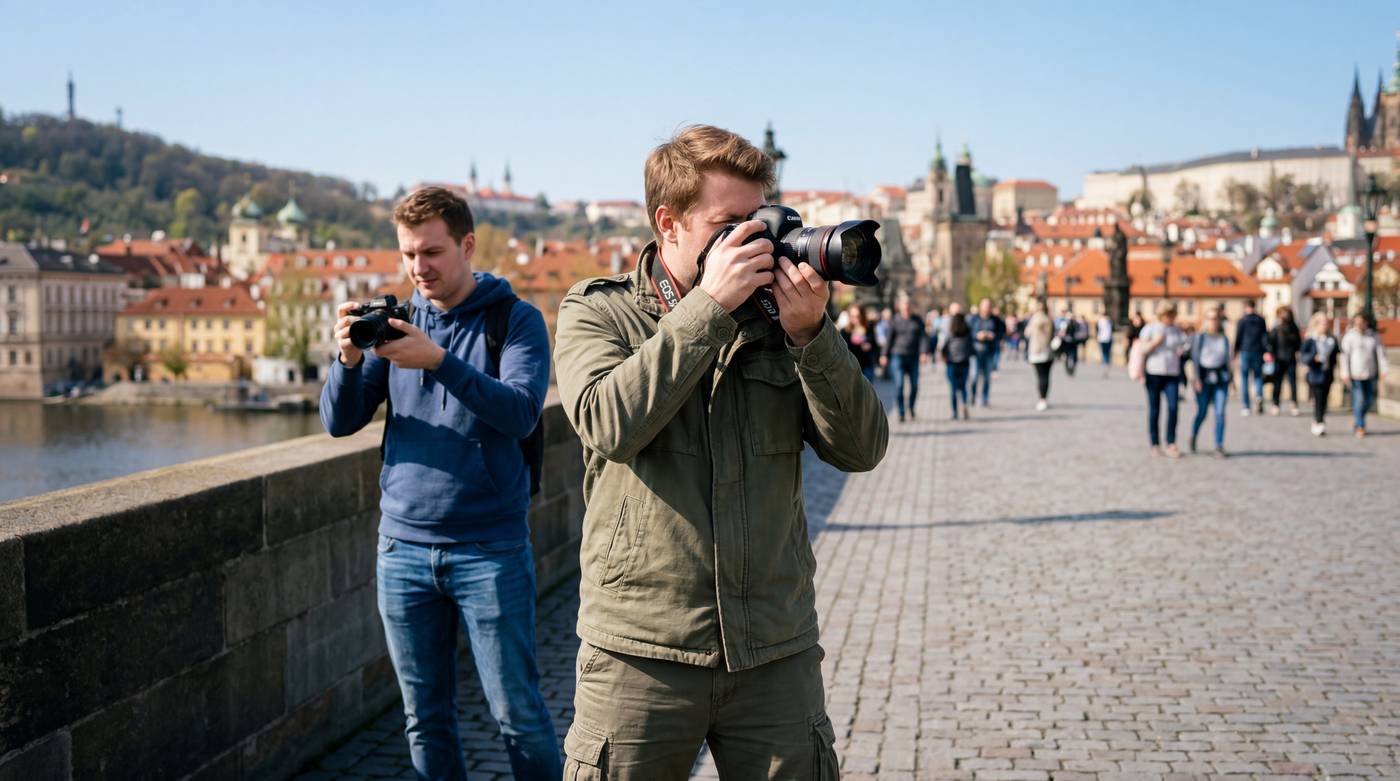
Good vs. Bad Photographers Through a Retoucher’s Lens? As a retoucher, my monitor sees more than just images; it sees human stories, businesses, and careers unfold. Over the years, I’ve developed a superpower: I can tell exactly what kind of photographer I’m dealing with within seconds of opening their RAW files. Because, contrary to popular belief, a good photographer isn’t defined by their follower count or their ridiculously expensive camera body. It’s defined by what they leave behind for the retoucher. Let’s look at the two extremes—strictly through the mirror of pixels! The "Fix It in Post" Type (The Bad Photographer) This is the photographer who thinks Photoshop is a magic wand that replaces technical knowledge and attention to detail. Working with their material isn't creative collaboration; it’s heavy industrial damage control. Technical Chaos: Their images are motion-blurred, out of focus, or worse: the highlights are completely blown out, and the shadows are crushed into pure black. To them, exposure is just a guessing game. Pure Negligence: They completely ignore the details during the shoot. You’ll find forgotten light switches, stray cables, wrinkled clothes, and the classic: “Hey, the wind blew the model’s hair all over her face, can you just clone out all 400 strands one by one?” Zero Communication: They send the files over with no instructions and no clear goal. Yet, after you deliver the finished work, they chime in with: “Well, I wasn’t really looking for these kinds of colors.” The "Colleague and Partner" (The Good Photographer) Working with this type of photographer is pure joy. They understand that a retoucher is not a cleanup crew for their mistakes, but rather an extension of their artistic vision. Flawless Raw Material: Their images are technically perfect. The focus is exactly where it needs to be, the lighting is spot-on, and the dynamic range is maximized for editing. Their RAW files practically come to life on the screen. Staged with Care: They would rather step up to the model during the shoot to adjust a dress or fix a stray lock of hair because they respect the retoucher’s time. They know that what takes 2 seconds to fix in the studio takes 20 minutes to fix behind a computer. Clear Vision: They know exactly what they want. They send over mood boards and reference images in advance, and if they want to try a new direction, they discuss it before the editing process even begins. The painful truth: With a bad photographer’s files, a retoucher spends 80% of their time on damage control (cleaning, fixing technical errors) and only 20% on actual, premium retouching. With a good photographer, it’s the exact opposite. Why This Matters to You as a Photographer If you recognized yourself in the "Good Photographer" description: congratulations! Your retoucher likely loves working with you, prioritizes your projects, and willingly pours extra energy into your images. However, if you tend to fall into the “it’s good enough, the retoucher will fix it” mindset, I have some bad news: this is costing you a lot of money. Retouchers set their rates based on the condition of the raw material. Sloppy shooting leads to longer turnaround times, higher editing bills, and a final result that will never look as breathtaking as it truly could. Conclusion: Retouching is a Team Sport The best images are always born out of symbiosis. Help your retoucher out by getting it right in camera on set, and in return, they will turn your photos into a visual masterpiece that will leave your clients jaw-dropped.